People andNatureRestoringEach Other
Ecological Health is the Interdependent Health of People, Animals and Ecosystems.
Great Plains Restoration Council is the founder of the Ecological Health model, which is defined as “the interdependent health of people, animals and ecosystems.”
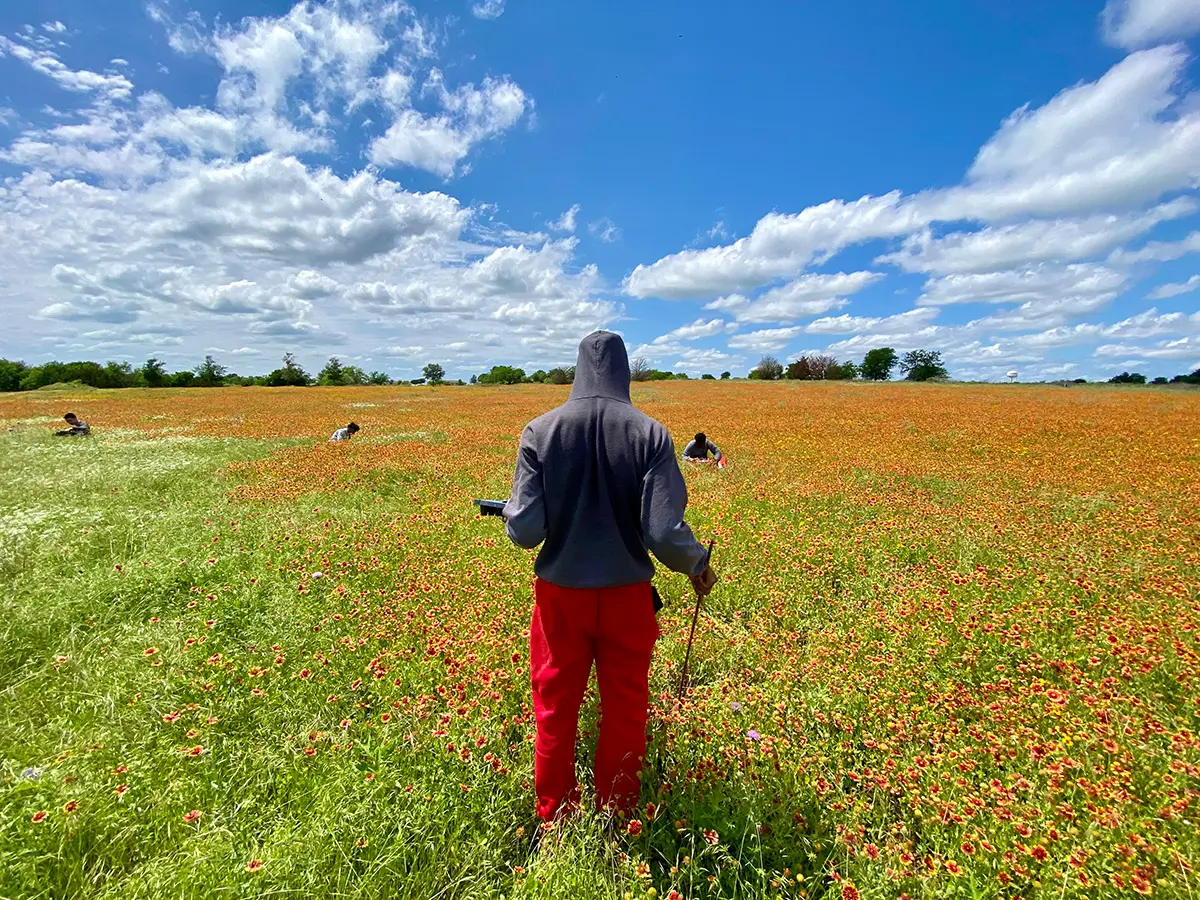
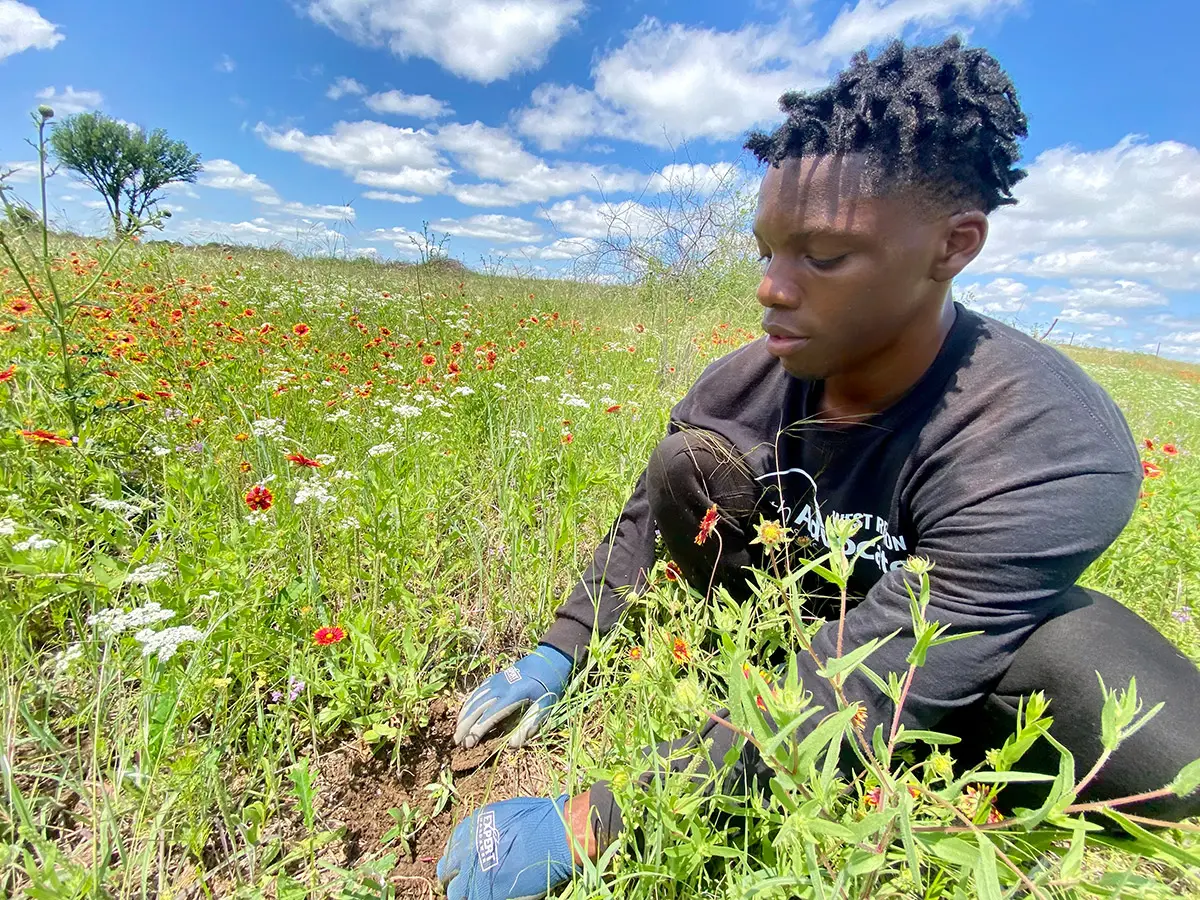
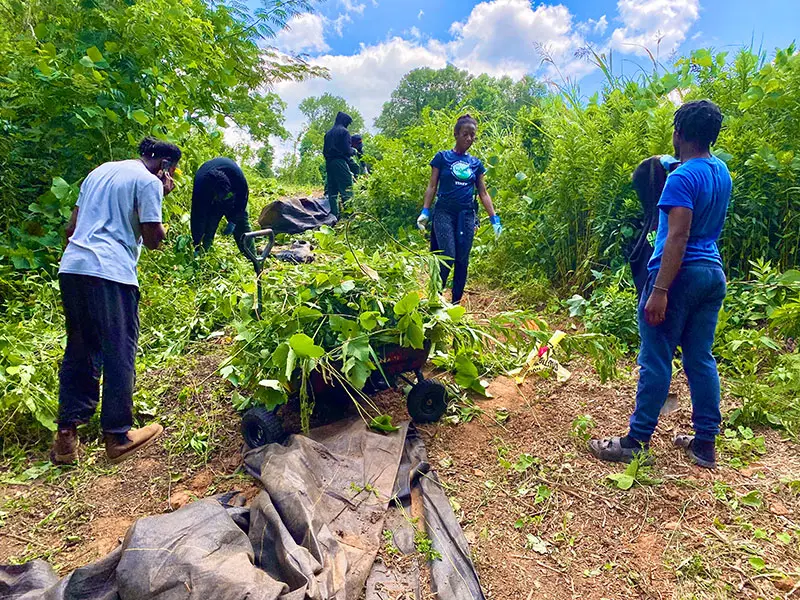
Based in America’s damaged, traumatized and forgotten Great Plains but expanded to other ecosystems, GPRC blends restoration ecology with social work to restore and protect damaged native ecosystems while simultaneously nurturing the mental, physical, emotional, economic and spiritual well-being of individuals, particularly youth and young adults facing social and emotional distress.
Through our work, safer places are created both in the natural world and within ourselves, where we are no longer visitors to our own lives, and no longer victims to the ecological collapse crescendoing around us. Instead, ecological vitality and human health thrive as part of each other.
About Ecological
Health
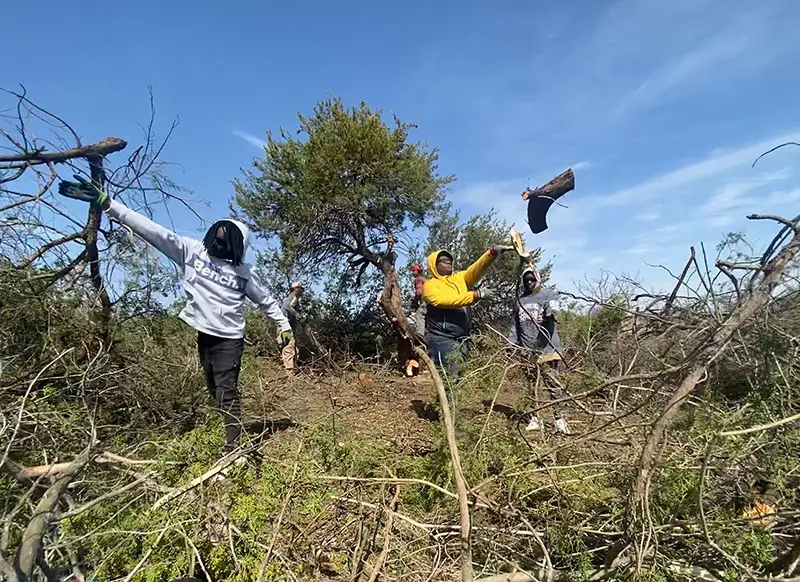
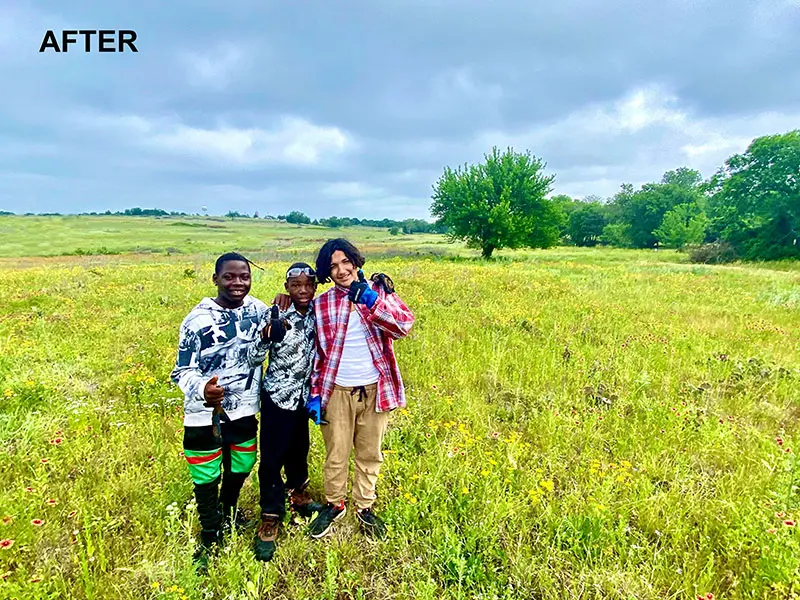
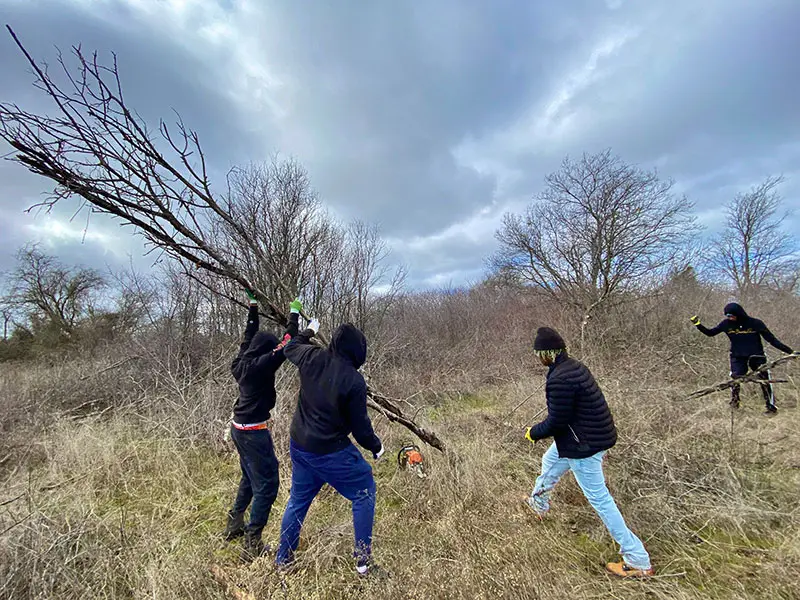
Great Plains Restoration Council blends Restoration Ecology+ with Social Work+ to restore and protect damaged native ecosystems — providing paid outdoor green job-training and nature-based work therapy for youth and young adults.
Native prairies are the most endangered and least protected ecosystems.
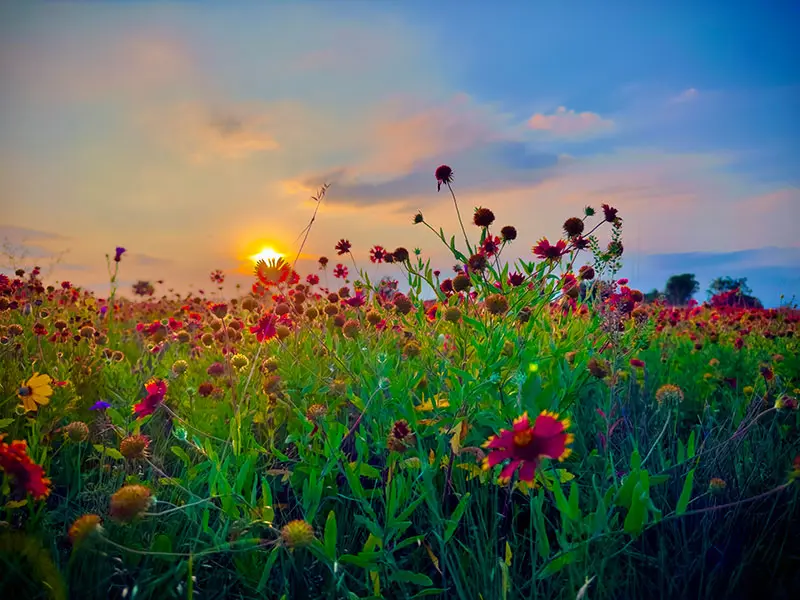
Over 3,000 acres
of 10,000 year old, old-growth Fort Worth Prairie on the backdoor of 7.5 million people — never plowed, and of exceptional quality.
“Native prairie is one of the most imperiled ecosystems in the world, with a conversion rate faster than that of the Amazon rainforest.”U.S. Fish and Wildlife Service, September 2010
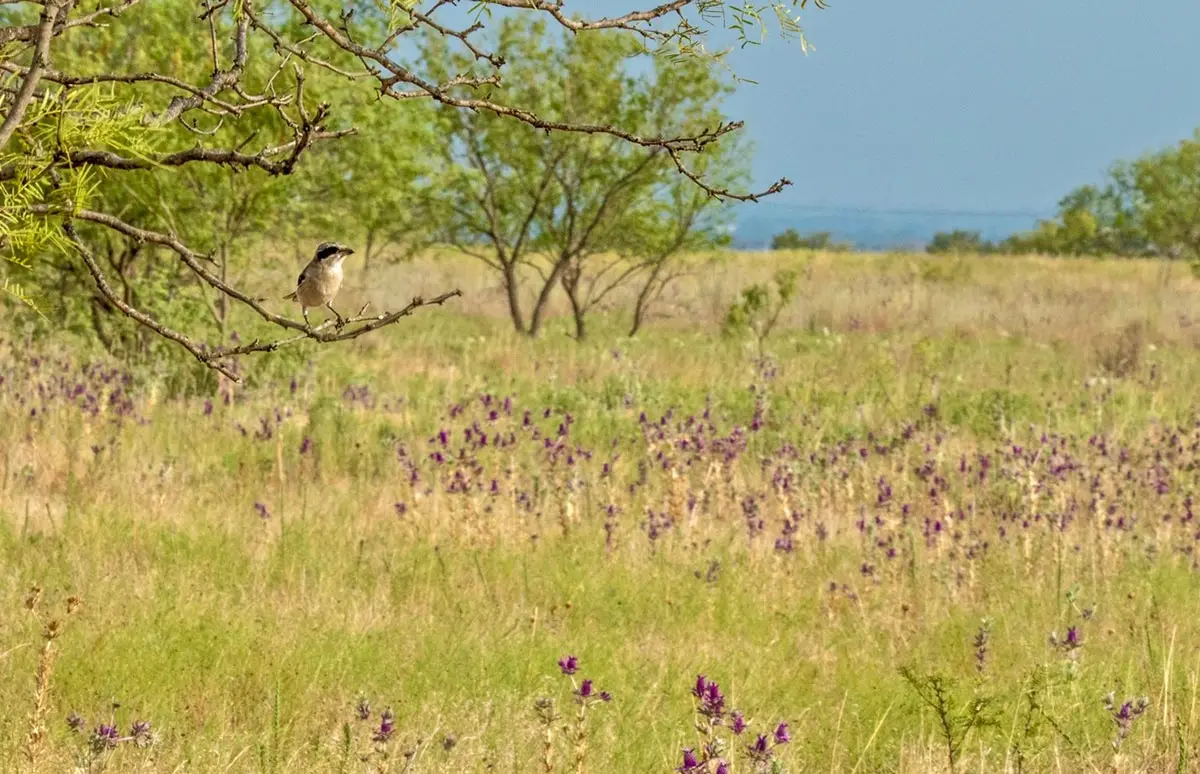
71% decline
Loggerhead Shrike — #8 on Audubon’s national list of once common birds in precipitous decline. Eight of these top twenty declining “once common” birds have been seen on the Fort Worth Prairie Park.
The FWPP is also a Central Flyway grassland for nesting birds whose populations are rapidly declining from loss of habitat.Audubon, 2007 · Fort Worth Prairie Park
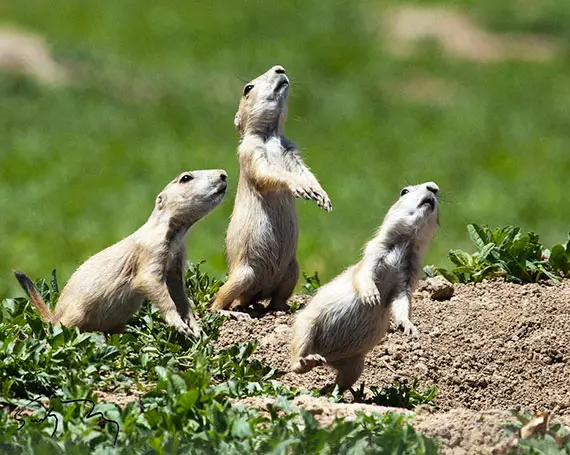
96–98% of all
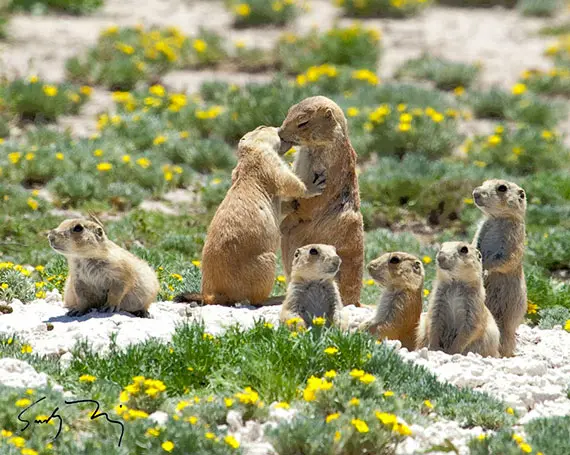
black-tailed prairie dogs have been poisoned, gassed or shot. Prairie dog colonies are the coral reefs of the sea of grass.
59% drop
in the number of monarch butterflies that completed the annual migration from Canada to their winter home in Mexico — its lowest level in at least two decades.
NY Times, March 13, 2013 · Fort Worth Prairie Park
400 million acres
There once were over 400 million acres of wild prairie grasslands in the central part of North America.
Saving one of the rarest ecosystems in North America
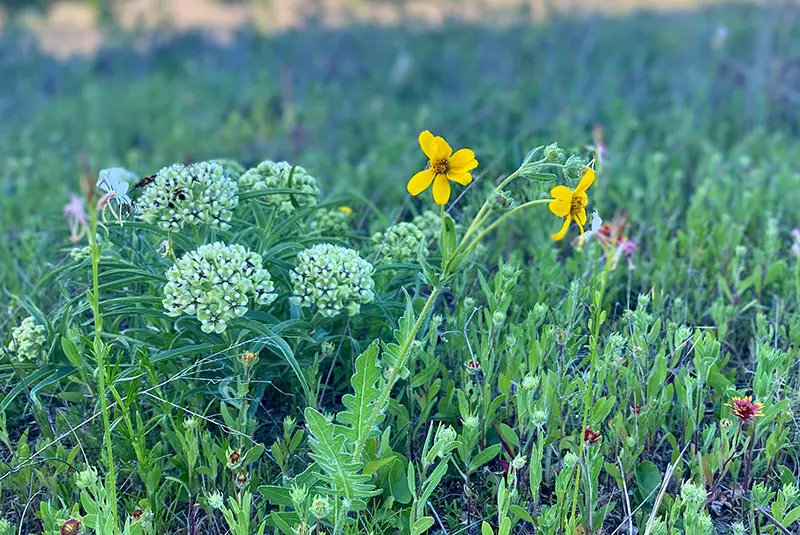
…and creating the largest public prairie park in North Texas. The Fort Worth Prairie Park is older than the birth of civilization itself, yet fresh and alive as if born this morning. With your help, we will save what’s left for all future life.
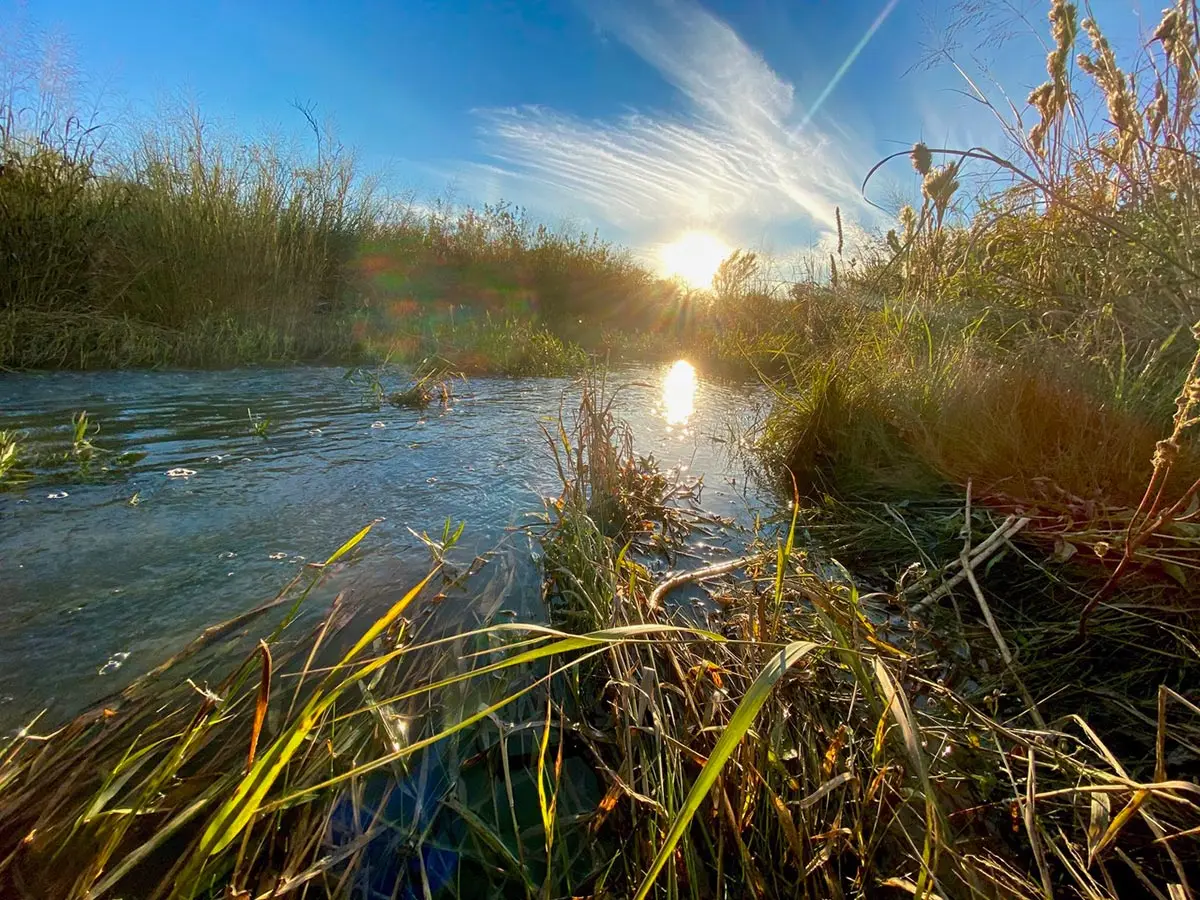
Fort Worth Prairie Park
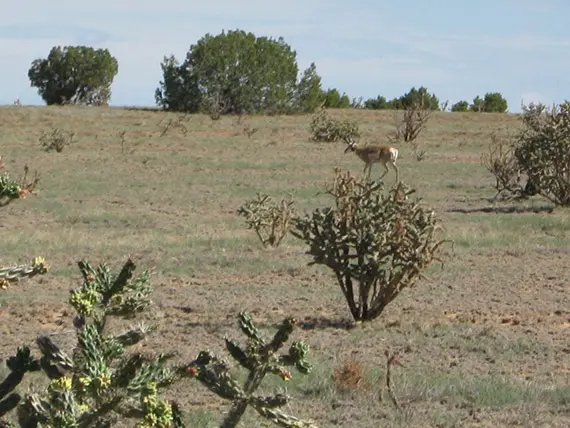
Over 3,000 acres of 10,000 year old, old-growth Fort Worth Prairie on the backdoor of 7.5 million people.
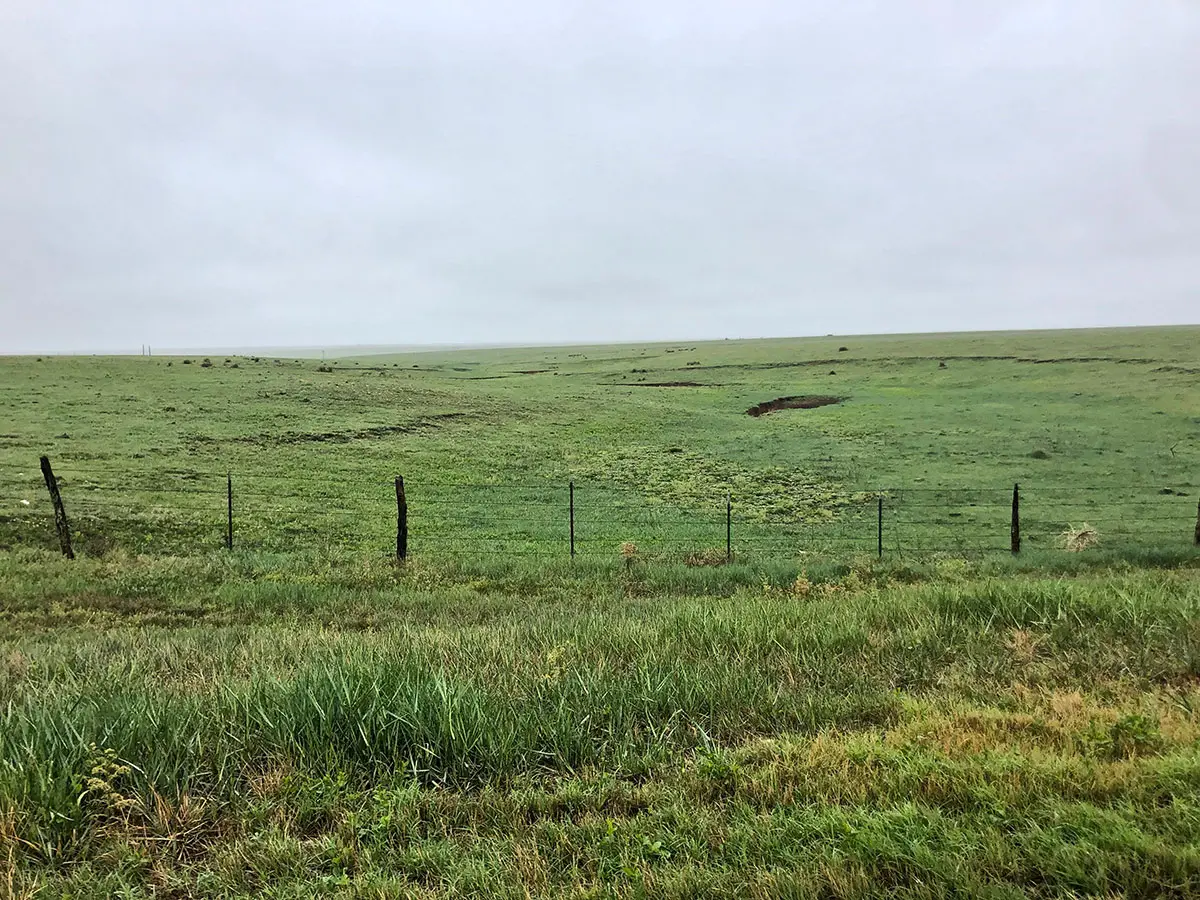
Texas Great Plains State Park
It’s time to rewild the legendary Texas Panhandle Plains.
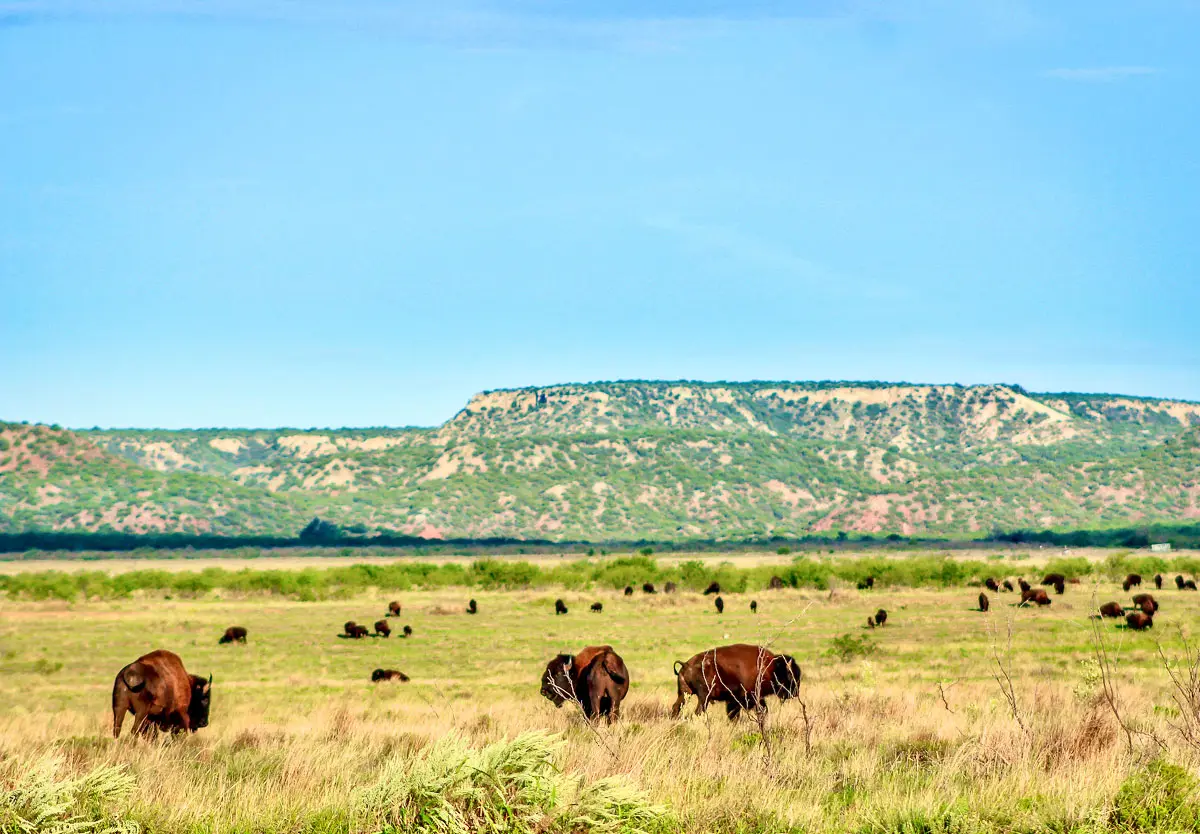
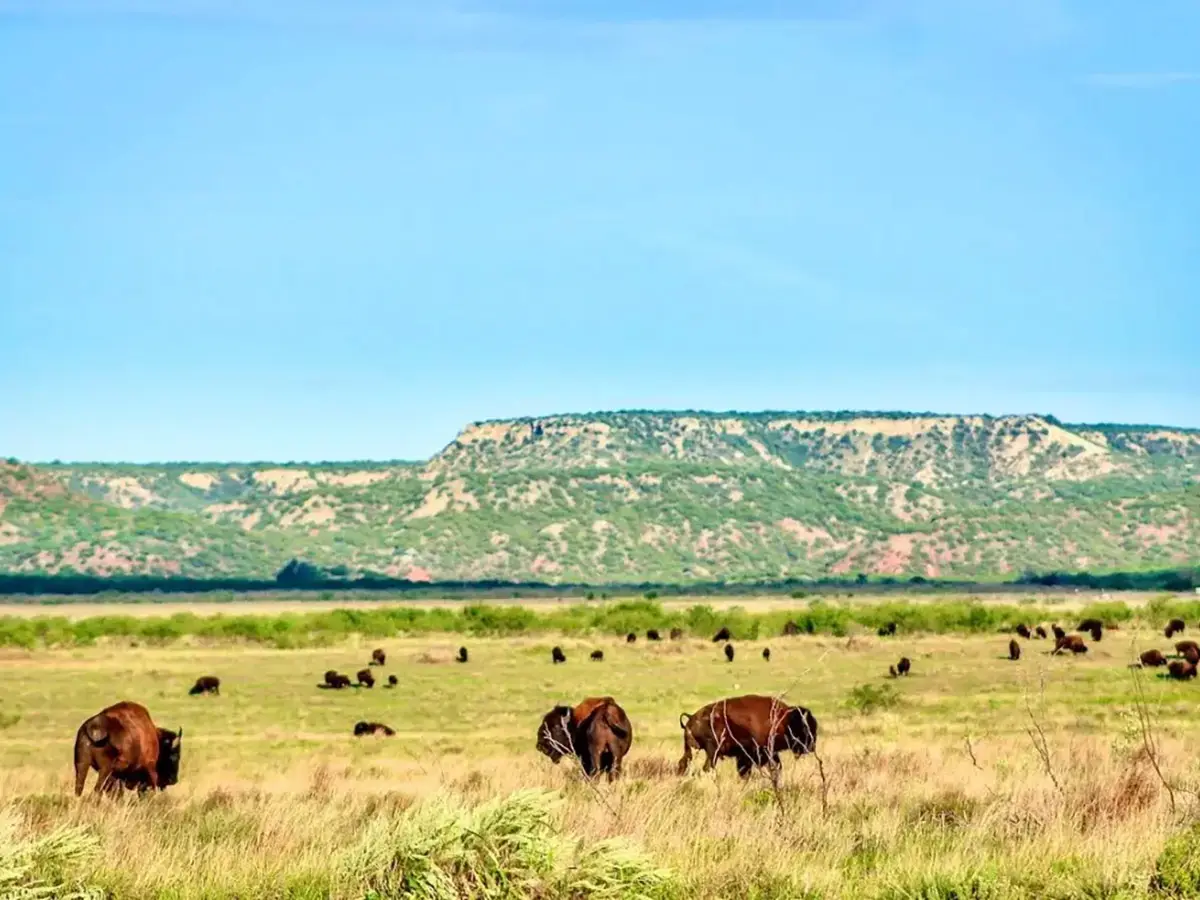
Caprock Canyons State Park
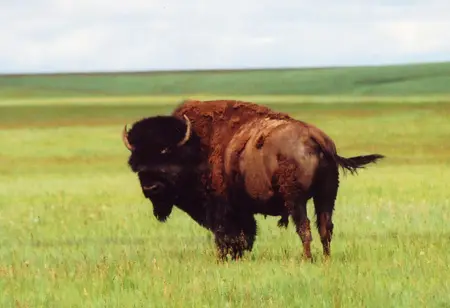
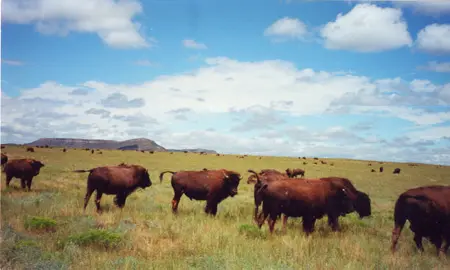
Home of the Texas State Bison Herd — the last surviving descendants of the original, genetically distinct Southern bison.
Once completed, the Prairie Park will be a springboard for prairie restoration and Ecological Health across the Great Plains and the country.
- A Regional Grassland Park for all of North TexasFort Worth Prairie Park & Rock Creek/Lake Benbrook Complex — a national epicenter for Ecological Health.
- LocationSouthwest Fort Worth
- Current sizeOver 3,000 acres of 10,000 year old, old-growth Fort Worth Prairie on the backdoor of 7.5 million people.
- GoalExpand and save as much nearby or adjacent native Fort Worth Prairie as possible before development takes over.
The Prairie and the Ocean Are Two Halves of a Whole
They share similar challenges, weather, topography, and the epic spirit and calling of open country.
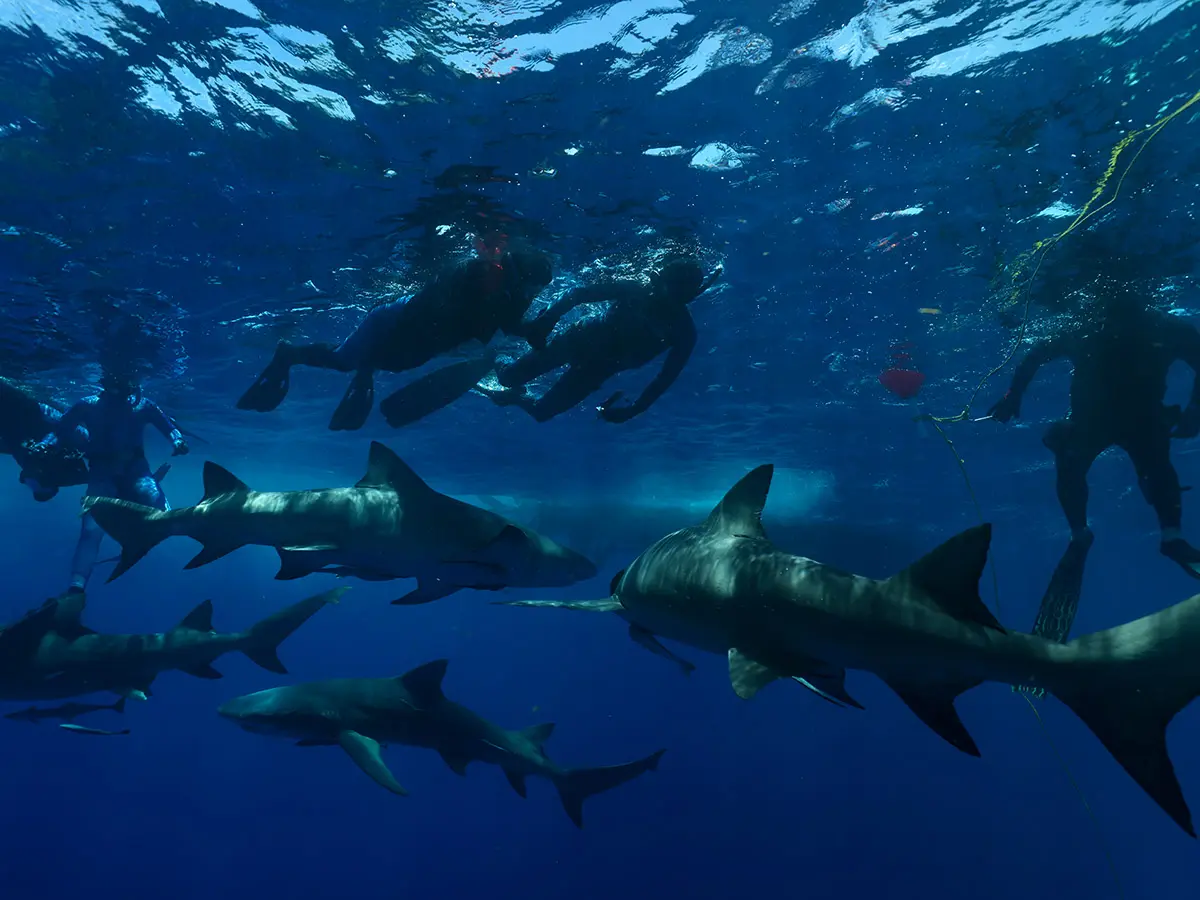
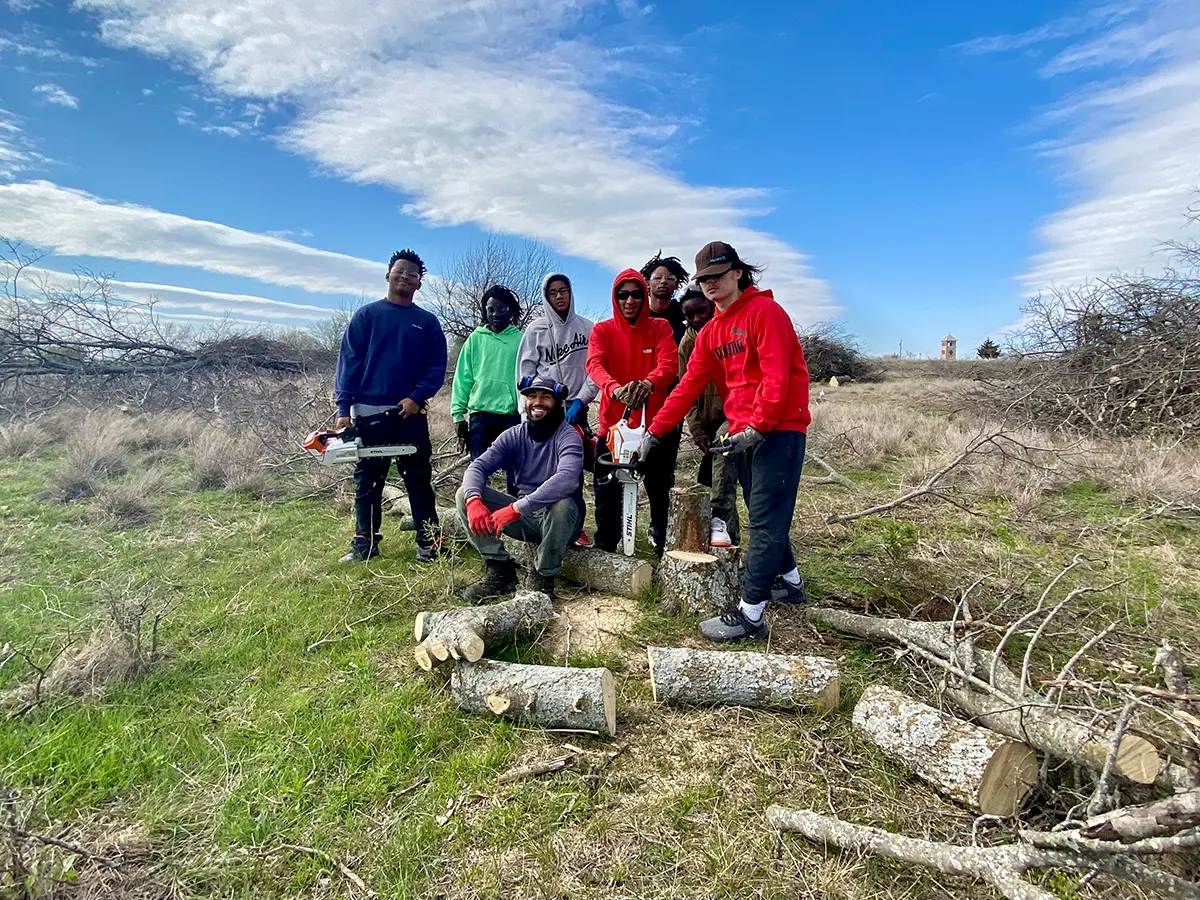
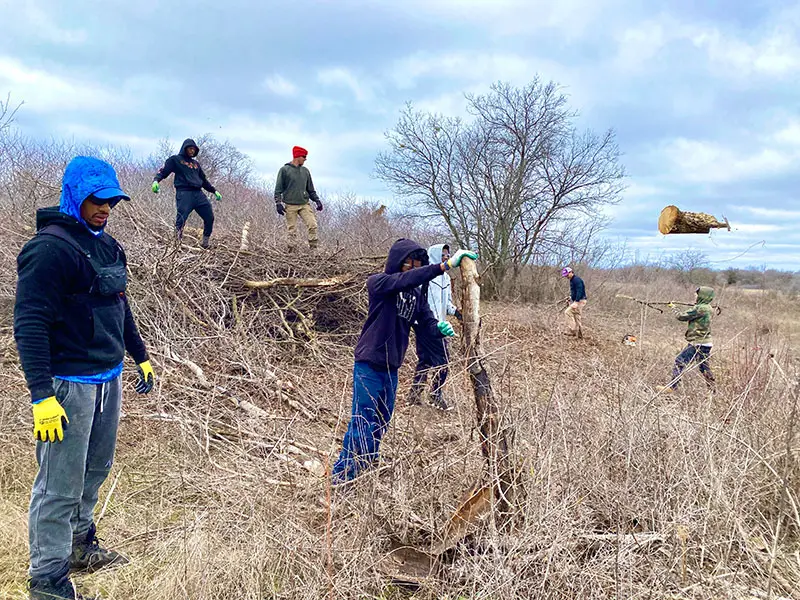
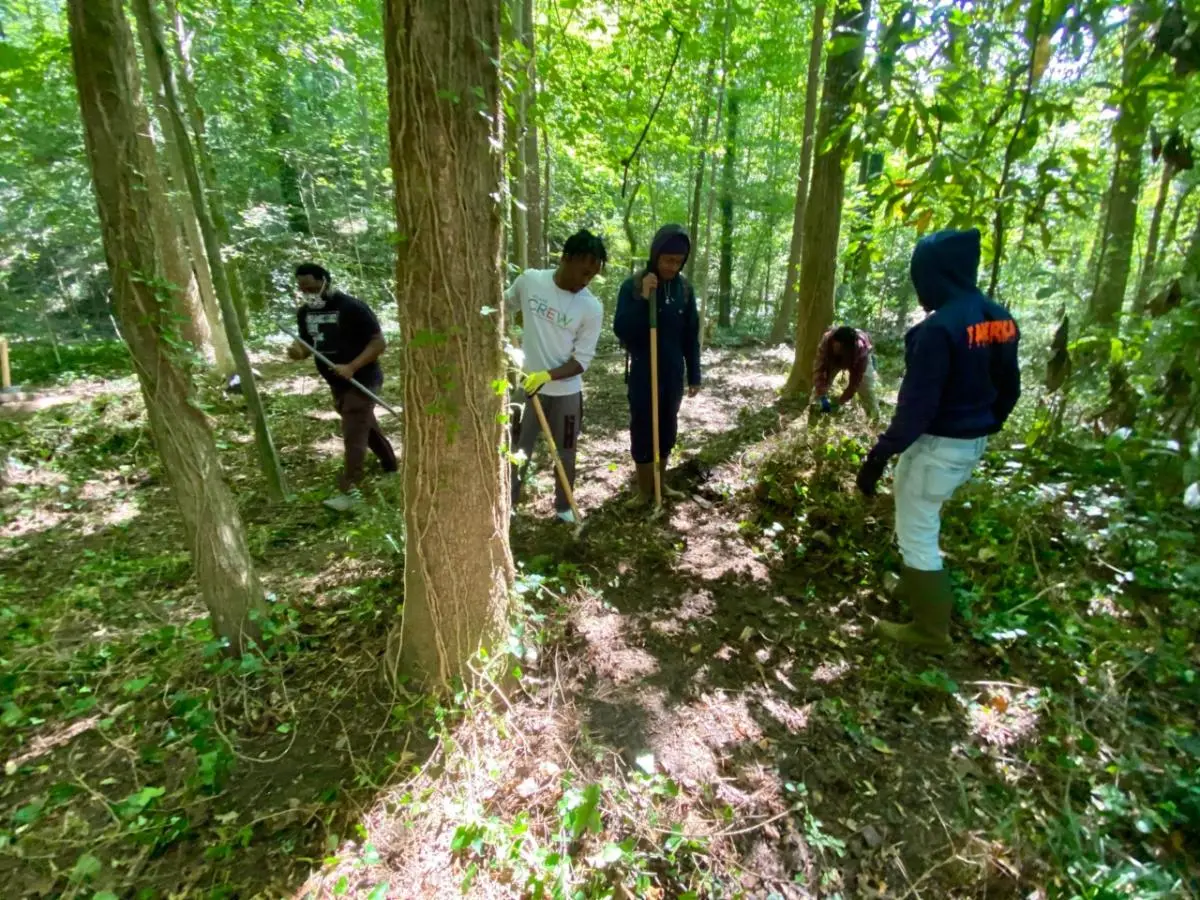
Restoration Not Incarceration™ provides ecological restoration and preservation in conjunction with rehabilitation and recidivism reduction of young adults and juveniles. Based on the prairies and plains of Texas, RNI currently also offers work with partners in West Atlanta’s old growth forest and South Florida’s sharks and mangroves.
Restoration Not Incarceration™
Ecological restoration and preservation in conjunction with rehabilitation and recidivism reduction of young adults and juveniles.
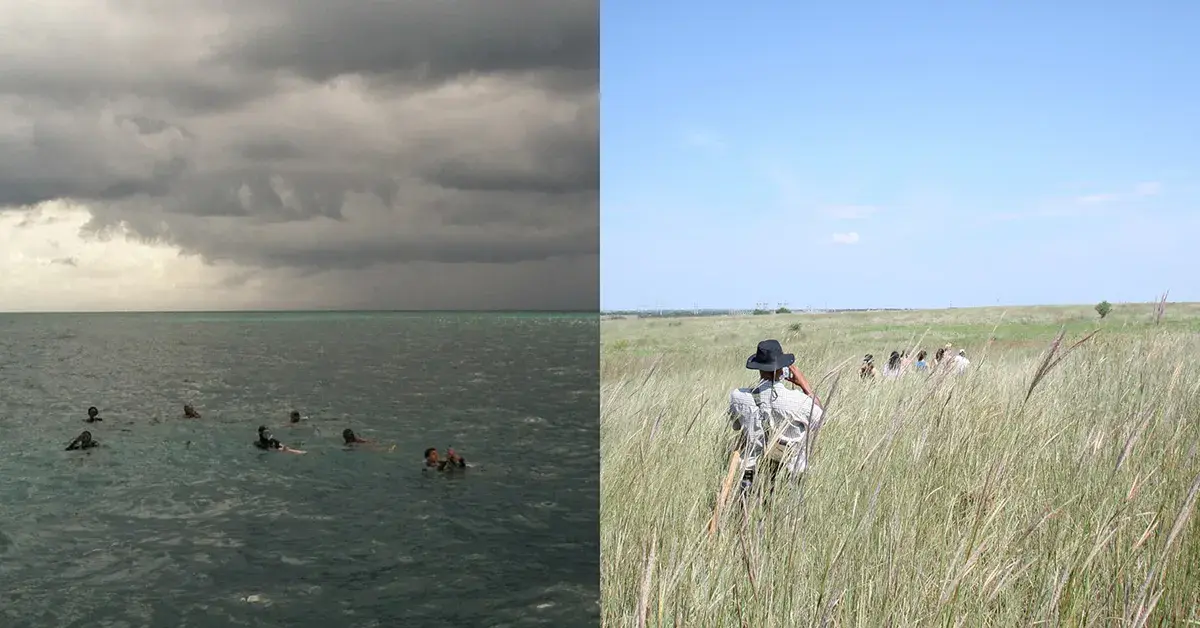
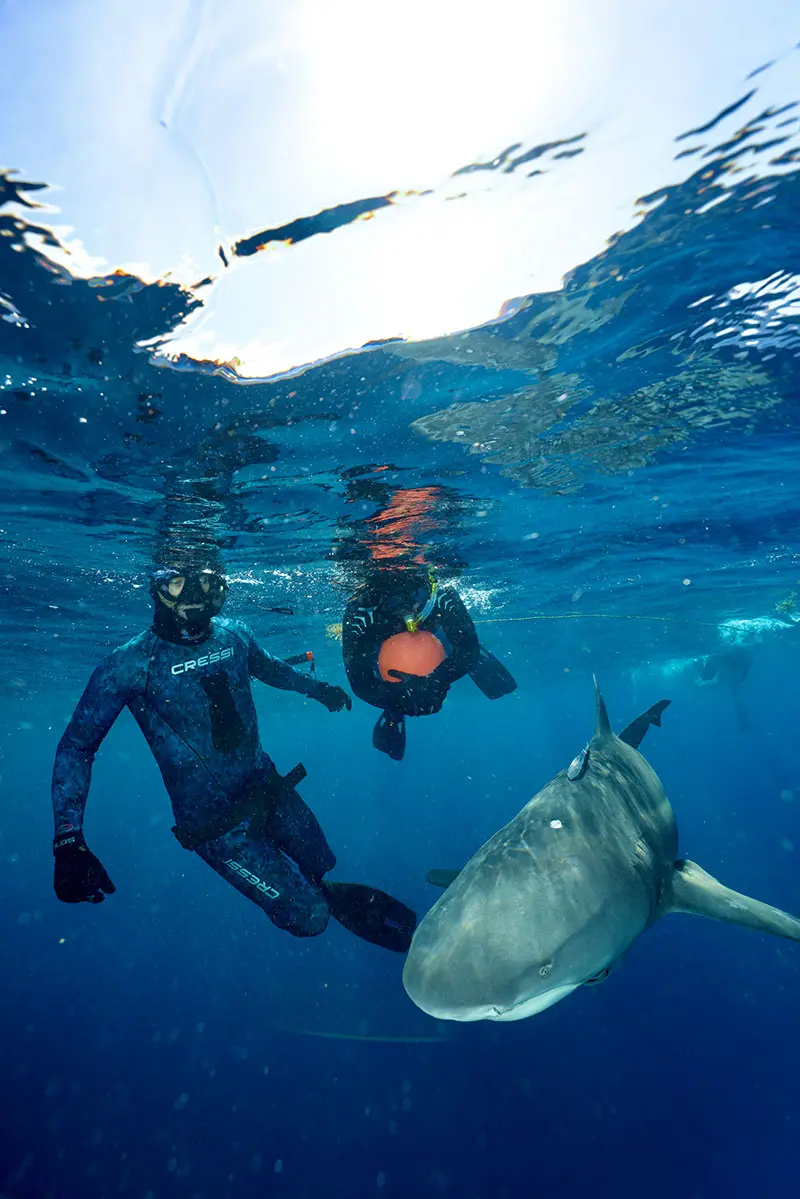
Shark Therapy™
Great Plains Restoration Council’s annual Ecological Health event, expanding our programming to the ocean.
At Large – Atlanta & Oakland
Ecological Health Practices and Principles provided to and used by communities in other ecoregions — Atlanta, GA & Oakland, CA.
GPRC’s Twelve Components of Ecological Health
- 01
Create Safe Places for people and wildlife
Work to protect, restore and connect wildlands.
- 02
Protect, teach and serve young people
Ensure that youth interact with Nature, and that they learn Nature is not made up of objects but is a community of living beings and interwoven relationships that includes us.
- 03
Understand consequences of actions
Accept personal responsibility.
- 04
Strive to cause less pain to others
Whether it is to people, animals, yourself or Earth.
- 05
Embrace vitality
Eat clean and low on the food chain (preferably plant-based), reject factory farming, reduce your carbon footprint, exercise daily, drink at least half a gallon of pure water each day.
- 06
Embrace earned confidence and humility
Reject arrogance, waste, violence, hatred and ugliness.
- 07
Live like a watershed
Become an ecosystem participant wherever you live.
- 08
Embrace physical work; fear no mental challenge
Becoming unbreakable — building stamina that leads to resilience — is perhaps the most important foundation you can build for yourself and the new millennium. “We’re all stronger than we think we are.”
- 09
Fight Environmental Injustice
- 10
Seek peace and health-based solutions over endless conflict
Claim the same over endless despair.
- 11
Give thanks; get outdoors
- 12
Seek silence, wisdom, deeper thought and personal growth
A Visual Journey Through Restoration
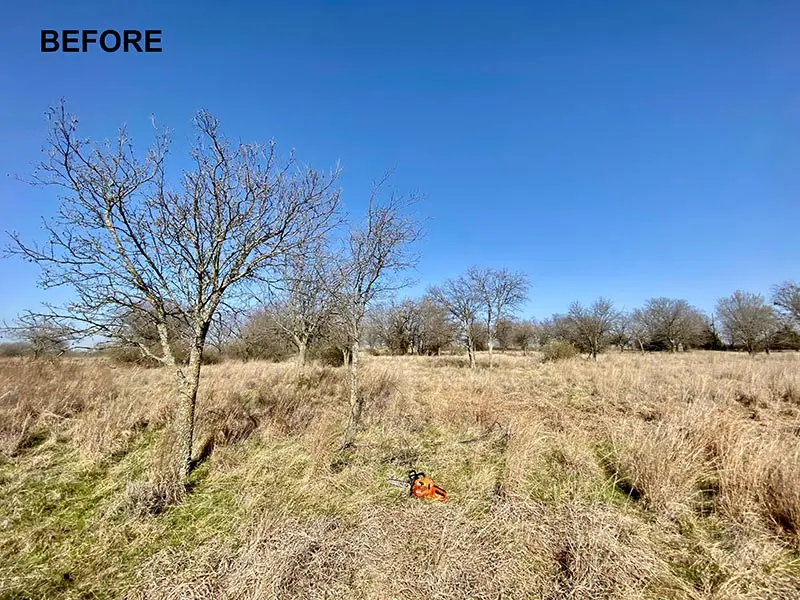
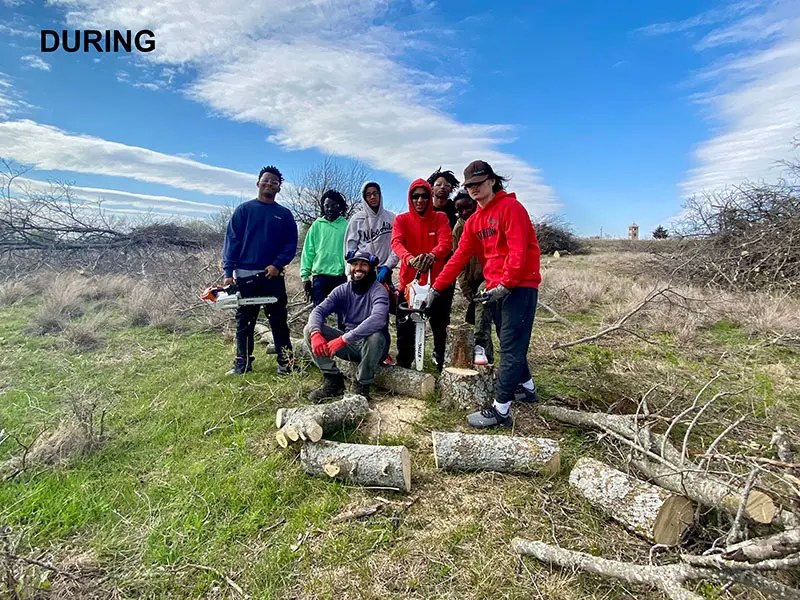
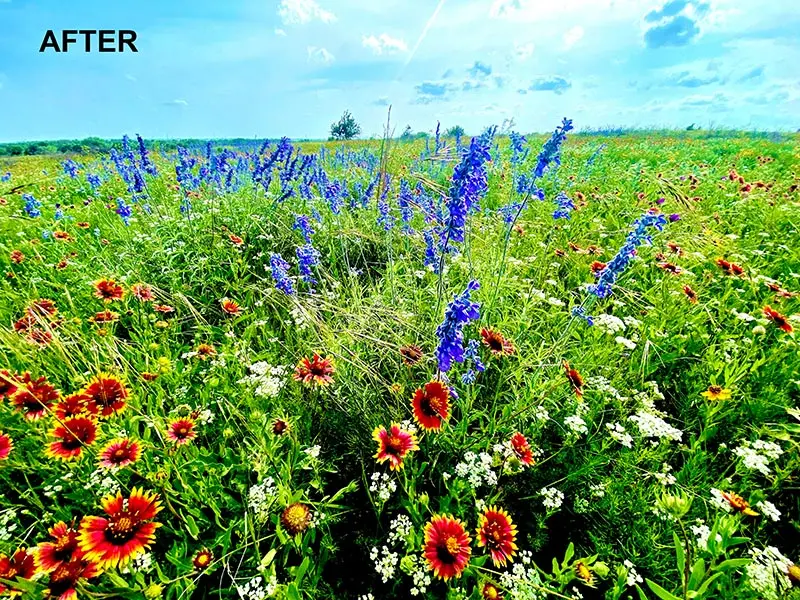
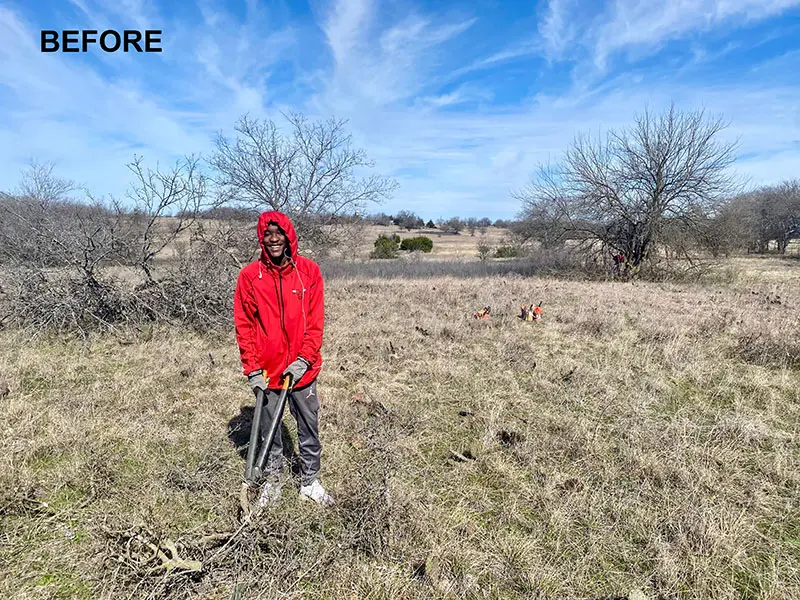
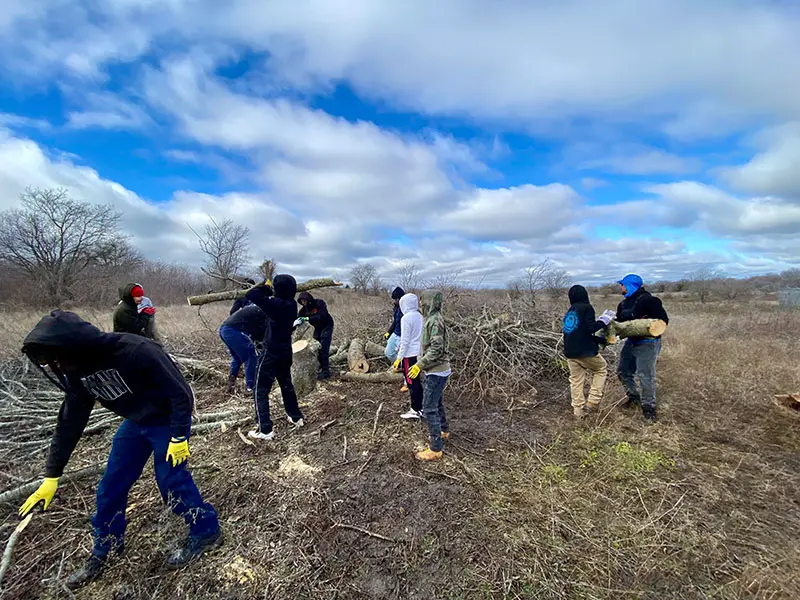
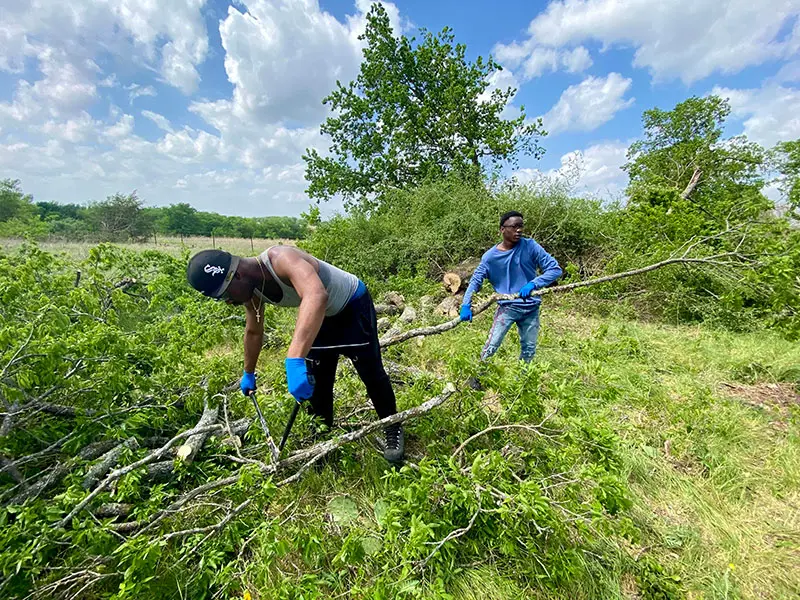
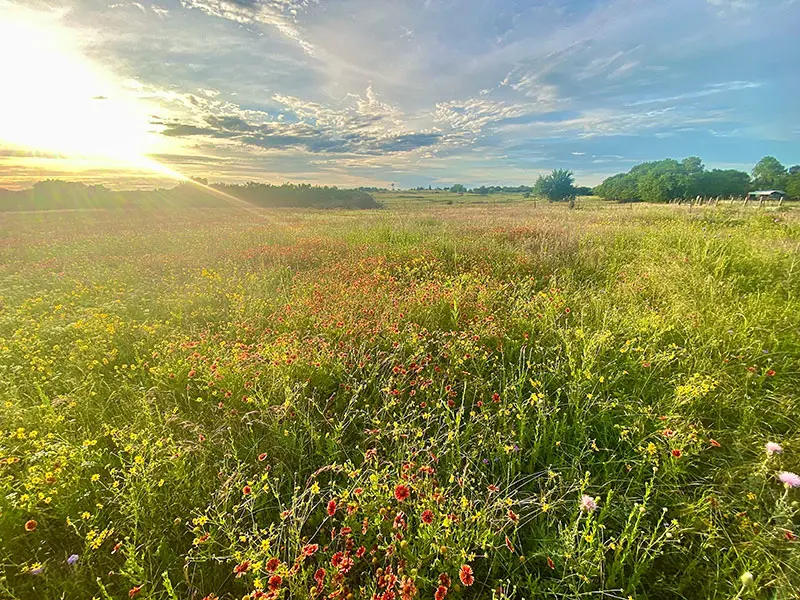
Great Plains Restoration Council — End of 2026 Prairie Restoration Season
“By taking care of others we take care of ourselves”
You can also share this video: gprc.org/end-of-2025-prairie-restoration-season
Join Us in
Living the
Future Today
Conservation, Restoration, and Social Work: Become a vital part of our mission to restore and protect the natural world, especially America’s legendary but nearly lost Great Plains, through providing paid outdoor green job-training and nature-based work therapy for youth and young adults.
Your support transforms lives and provides refuge for both people and wildlife, helping struggling youth and young adults become more unbreakable while giving highly threatened populations of native animals, such as rapidly declining grassland nesting birds, prairie dogs, Monarch butterflies, and very rare Southern bison, more vital habitat to roam and thrive. And your support helps expand GPRC’s Ecological Health healing model to help people and wildlife in other regions, especially the ocean.